Upcycling Old Tires: Creative Projects and Profitable Ventures for Crafters
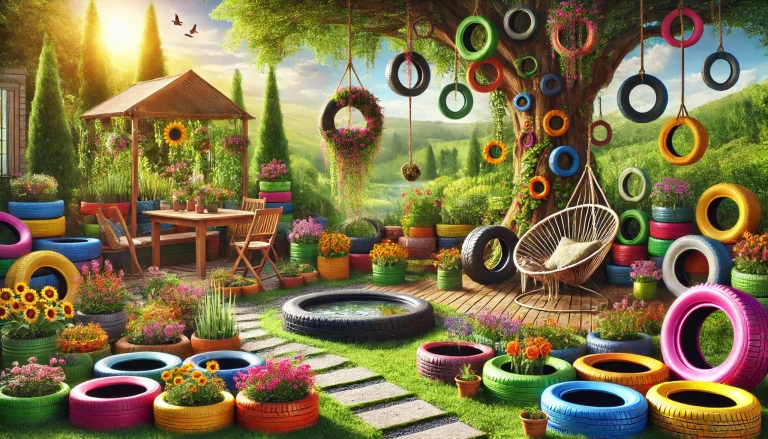
Old tires are an untapped resource for creative and eco-friendly projects that crafters can transform into both art and income. With a little ingenuity and effort, these discarded items can be repurposed into functional, decorative, and marketable products. Here’s how crafters can turn old tires into treasures and profit from their creativity.

Why Use Old Tires?

1. Eco-Friendly Appeal: Tires are a significant source of waste, with millions discarded annually. Upcycling helps reduce landfill waste and environmental pollution.

2. Cost-Effective Material: Old tires are often free or inexpensive, providing a low-cost base for crafting projects.

3. Durability: Made from tough rubber, tires are perfect for long-lasting creations.

Creative Uses for Old Tires

1. Furniture:

Coffee Tables: Tires can be cleaned, painted, and topped with glass or wood to create stylish coffee tables.

Ottomans: Add padding, fabric, and a sturdy base to craft functional and aesthetic ottomans.

Chairs or Stools: Stack tires and add cushions for comfortable seating options.

2. Garden Decor:

Planters: Tires can be cut, painted, and filled with soil to create unique planters or vertical gardens.

Swings: A classic use, swings can be made by attaching a tire to a strong rope and hanging it from a tree.

Pond Borders: Tires make great edging for small garden ponds.

3. Home Decor:

Wall Art: Cut and reshape tires into unique patterns for artistic wall decor.

Mirrors or Frames: Use tire sections to craft striking frames for mirrors or pictures.

4. Pet Products:

Pet Beds: Clean and cushion a tire to create a durable and cozy bed for pets.

Pet Toys: Smaller tire pieces can be crafted into chew toys for dogs.

5. Playground Equipment:

Obstacle Courses: Arrange tires to create interactive and safe obstacle courses for children.

Tire Climbers: Paint and stack tires to make colorful playground climbers.

6. Outdoor Infrastructure:

Steps or Stairs: Fill tires with concrete to create sturdy steps for outdoor use.

Retaining Walls: Stack and secure tires for an affordable and effective garden retaining wall.

How to Transform Tires Into Sellable Products

1. Preparation:

• Clean the tires thoroughly using a power washer or soapy water.

• Sand the surface for better paint adhesion.

• Cut or reshape the tires using a jigsaw or utility knife, depending on the project.

2. Design:

• Paint with weatherproof paints to add color and protect the material.

• Use stencils or hand-paint patterns to enhance aesthetic appeal.

• Add embellishments such as rope, wood, or fabric for a polished look.

3. Safety:

• Ensure products like swings or playground equipment are securely assembled and safe to use.

• Use non-toxic materials for items meant for pets or children.

Selling and Profiting From Upcycled Tire Creations

1. Target Markets:

Eco-Conscious Consumers: Highlight the environmental benefits of upcycled products.

Garden Enthusiasts: Market planters and garden decor at gardening expos or online platforms.

Parents and Pet Owners: Promote safe and durable pet products or playground equipment.

Interior Designers: Offer unique decor pieces for homes and businesses.

2. Sales Channels:

Online Marketplaces: Sell through Etsy, Facebook Marketplace, or a personal e-commerce site.

Local Markets: Attend craft fairs, farmers’ markets, and flea markets.

Collaborations: Partner with local garden centers or pet shops to stock your products.

3. Pricing:

• Calculate costs for materials, labor, and shipping.

• Price competitively while highlighting the unique, eco-friendly nature of your products.

4. Marketing Strategies:

Social Media: Share before-and-after photos and tutorial videos to attract attention.

Storytelling: Share the environmental impact of your business and the inspiration behind your designs.

Branding: Create a memorable brand name and logo that reflects your commitment to sustainability and creativity.

Conclusion

By turning old tires into functional and decorative items, crafters can contribute to environmental sustainability while generating a steady income. With creativity, resourcefulness, and an entrepreneurial mindset, anyone can start a profitable upcycling business that benefits both their wallet and the planet.

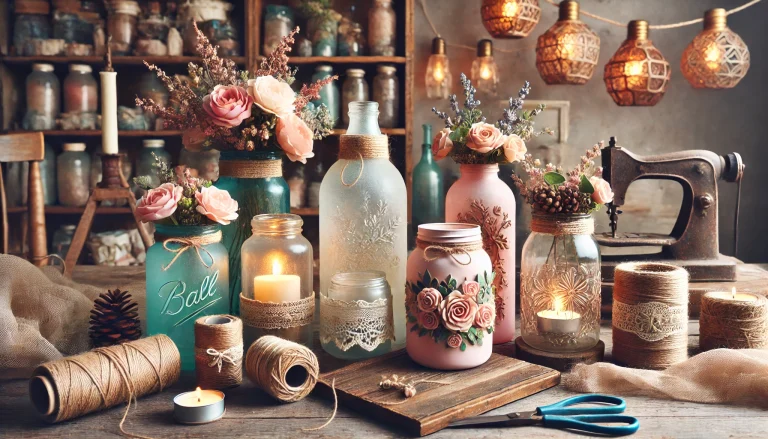
Transform Ball Jars and Old Bottles into Unique Treasures for Profit

Ball jars and old glass bottles are timeless treasures that can be repurposed into creative, inexpensive, and marketable items. Whether you’re a seasoned crafter or just starting out, these everyday items offer endless opportunities to create charming products that people will love to purchase. Here’s how you can transform them into something special:

1. Painted Vases

One of the easiest ways to upcycle ball jars is by turning them into colorful vases. Use chalk paint in soft pastel colors for a rustic, farmhouse-style look. Seal the paint with a clear matte finish and add a twine bow around the rim for a perfect finishing touch. These vases are great for flowers, whether fresh or artificial, and can sell well at craft fairs or online.

2. Candle Holders

Create beautiful candle holders by adding decorative elements like lace, burlap, or ribbon to the jars. Fill them with votive candles, fairy lights, or scented wax to make cozy lighting options. These are ideal for weddings, home decor, or holiday gifts, making them a versatile product for your shop.

3. Storage Solutions

Repurpose jars as stylish storage containers. Add chalkboard labels or stenciled designs to organize kitchen staples, craft supplies, or bathroom essentials. Practical and visually appealing, these jars make organization fun and attractive.

4. Pendant Lights

Old bottles can be transformed into stunning pendant lights. Carefully cut the base of the bottle, thread a light fixture through, and voila—a one-of-a-kind lighting solution! These are particularly popular for industrial-style home decor and can fetch a higher price point.

5. Terrariums

Turn glass bottles and jars into miniature gardens. Layer soil, moss, and small plants inside for an eye-catching terrarium. These are perfect for plant lovers and add a touch of nature to any home.

6. Holiday Decor

Use seasonal themes to craft unique holiday decor. For example, fill jars with fake snow, miniature Christmas trees, and battery-operated lights for a festive centerpiece. Alternatively, paint jars in Halloween or Easter themes to sell year-round.

Marketing and Selling Tips

Target Your Audience: Rustic, farmhouse, and vintage styles are trending, so market your products to those seeking unique home decor.

Social Media Promotion: Share your creations on platforms like Instagram or Pinterest to attract customers.

Bundle Products: Sell sets of jars or bottles for a cohesive look, which can encourage higher sales.

With a little creativity, ball jars and old bottles can become the centerpiece of a profitable crafting business. Whether you sell at local markets or through online platforms, these inexpensive materials are a great way to start or grow your side hustle. Start crafting today and watch your treasures turn into income!

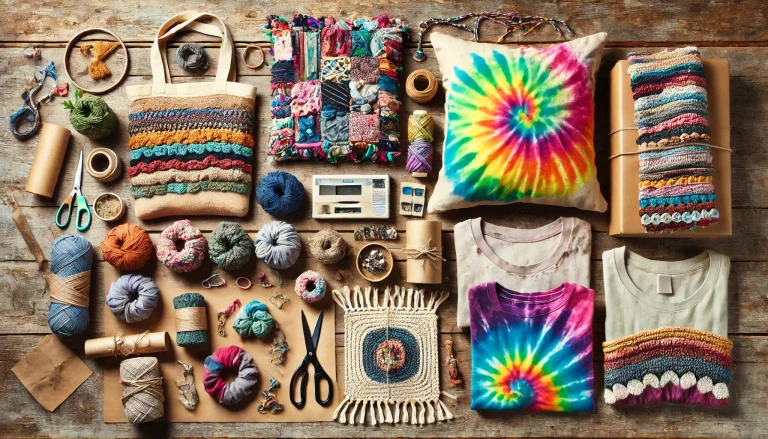
How to Repurpose Old T-Shirts Into Profitable Handmade Products

Upcycling old T-shirts into sellable items is not only an eco-friendly initiative but also a profitable business idea. This step-by-step guide will show you how to transform unwanted T-shirts into creative products and effectively market them for success.

Step 1: Source Old T-Shirts for Upcycling

To get started, you’ll need a collection of old T-shirts. Here’s how to find them:

1. Declutter Your Closet: Use T-shirts you no longer wear.

2. Ask for Donations: Reach out to friends, family, and neighbors.

3. Shop Secondhand: Buy affordable T-shirts from thrift stores, flea markets, or garage sales.

4. Promote on Social Media: Let your network know you’re looking for old T-shirts for an upcycling project.

Step 2: Plan What You’ll Make with Old T-Shirts

Decide on the types of products you want to sell. Repurposed T-shirts can be transformed into:

• Tote bags for shopping

• Throw pillows

• Braided rugs or mats

• Fashionable headbands or scrunchies

• Customized T-shirts (with tie-dye, embroidery, or fabric paint)

• Quilts or blankets made from multiple T-shirts

• Banners or wall art

When planning your product line, consider trends and the needs of your target audience. Eco-conscious and unique handmade items are highly sought after.

Step 3: Gather Essential Upcycling Supplies

You’ll need tools and materials to turn old T-shirts into handmade products:

• Fabric scissors or rotary cutters

• Sewing machine or hand-sewing tools

• Fabric glue for no-sew projects

• Stencils, fabric paint, or markers for custom designs

• Embroidery threads and needles

• Pillow stuffing or batting for pillows

• Elastic bands for scrunchies

• Packaging supplies (preferably eco-friendly)

Step 4: Clean and Prepare the T-Shirts

Cleanliness and preparation are key to producing high-quality upcycled items:

1. Wash and dry all T-shirts to ensure they are odor-free and ready to handle.

2. Iron the shirts to remove wrinkles and make cutting and sewing easier.

3. Sort the T-shirts by size, color, and fabric type for better organization.

Step 5: Repurpose the T-Shirts Into Handmade Products

Here’s how to upcycle T-shirts into popular items:

1. Tote Bags:

• Cut off the sleeves and neckline to form handles.

• Sew the bottom shut to create a durable, reusable bag.

2. Throw Pillows:

• Cut two square pieces from a T-shirt.

• Sew three sides together, stuff with filling, and stitch the final side closed.

3. Braided Rugs:

• Cut the T-shirts into strips, braid them, and sew the braids together in a spiral pattern.

4. Scrunchies or Headbands:

• Cut a strip of fabric, sew into a tube, and insert elastic for scrunchies.

5. Custom T-Shirts:

• Use fabric paint, stencils, or embroidery to create one-of-a-kind designs.

Step 6: Add Unique Features to Your Upcycled Products

Enhance the appeal of your products with personalized touches:

• Embroider names, quotes, or patterns.

• Use eco-friendly dyes to create trendy tie-dye effects.

• Combine multiple T-shirt pieces for a patchwork aesthetic.

Handmade products with unique designs stand out in a competitive market and appeal to buyers looking for originality.

Step 7: Test and Refine Your Products

Before selling, ensure that your products meet quality standards:

1. Test the durability of items like tote bags or rugs.

2. Get feedback from family and friends.

3. Adjust your techniques and designs based on their suggestions.

Step 8: Price Your Upcycled T-Shirts Fairly

To determine pricing:

1. Calculate your costs, including materials, time, and packaging.

2. Research competitor prices for similar handmade items.

3. Add a profit margin that reflects the value of your unique, eco-friendly products.

Step 9: Build Your Brand

Creating a strong brand will attract customers:

1. Choose a memorable business name that reflects your eco-friendly mission.

2. Design a logo that matches your product aesthetic.

3. Use branded tags or labels for your products, emphasizing their handmade and sustainable qualities.

Step 10: Choose the Best Platforms to Sell Your Upcycled Products

1. Etsy or eBay: Set up a shop on platforms known for handmade and vintage products.

2. Social Media: Use Instagram, Facebook, or Pinterest to showcase your creations and attract buyers.

3. Local Markets: Participate in craft fairs, farmers’ markets, or pop-up events to sell directly to customers.

4. Retail Stores: Approach eco-friendly boutiques or gift shops to stock your products.

Step 11: Market Your Upcycled T-Shirt Products

To reach more customers:

• Share before-and-after photos of upcycled T-shirts to highlight your process.

• Create engaging posts about your sustainability efforts and creative journey.

• Use relevant keywords like “handmade tote bags,” “upcycled pillows,” or “eco-friendly scrunchies” in your online listings.

• Encourage customers to share reviews and photos of your products online.

Step 12: Expand and Scale Your Upcycling Business

Once you’ve established a loyal customer base, you can:

• Offer custom orders for special occasions.

• Experiment with new designs or products to diversify your offerings.

• Host workshops to teach upcycling skills to others.

• Collaborate with influencers or eco-friendly brands for increased exposure.

By following this step-by-step guide, you’ll not only reduce textile waste but also create a profitable business. Repurposing old T-shirts into unique handmade products combines creativity, sustainability, and entrepreneurship, making it an ideal venture for eco-conscious individuals.

Start your journey today and turn those forgotten T-shirts into something extraordinary!

Turning Local Resources into Profits: Cost-Effective Craft Trends for 2025

In 2025, crafting is no longer just a creative outlet—it’s a profitable business opportunity for those who can innovate and adapt to trends. While many crafters rely on global shipping for supplies, limited access to imported materials doesn’t have to be a barrier to success. By leveraging local resources and embracing cost-effective crafting trends, you can create unique, marketable products while keeping expenses low. Here’s how to turn what’s around you into a thriving craft business.

1. Embrace Upcycling and Repurposing

Sustainability remains at the forefront of consumer preferences. Upcycling—transforming old or discarded items into new products—is not only environmentally friendly but also cost-effective. Repurposed creations are unique and resonate with customers who value eco-conscious practices.

Ideas to Explore:

• Turn old fabrics into patchwork quilts, tote bags, or braided rugs.

• Refurbish wooden furniture with paint and stencils for a modern look.

• Use glass jars to create decorative lanterns, planters, or storage solutions.

Why It Works:

Upcycling uses materials you already have or can source for free, turning what might otherwise be waste into valuable, sellable products.

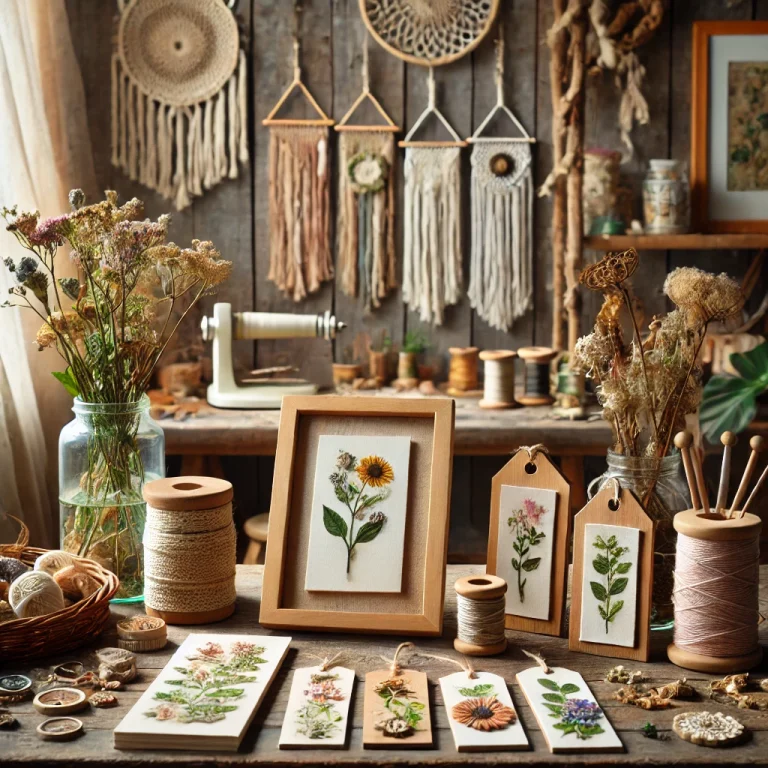
2. Utilize Nature’s Free Resources

Nature offers a wealth of free materials that can be turned into stunning crafts. Collect items like driftwood, shells, stones, and dried flowers to create timeless, nature-inspired products.

Ideas to Explore:

• Create pressed flower art for framed wall pieces or bookmarks.

• Use driftwood to craft rustic photo frames, shelves, or wall art.

• Incorporate shells and stones into jewelry, mosaics, or wind chimes.

Why It Works:

Natural elements are abundant, require little to no cost, and align with the biophilic design trend that connects people to the natural world.

3. Dive Into Fiber Arts

Fiber crafts such as crocheting, knitting, and macramé are not only trending but also inexpensive to start. With basic tools and materials, you can create highly desirable items that appeal to both practical and decorative needs.

Ideas to Explore:

• Craft macramé plant hangers or wall décor using locally sourced cord.

• Knit or crochet small items like baby hats, scarves, or potholders.

• Repurpose old T-shirts or fabric scraps into yarn for upcycled projects.

Why It Works:

Fiber arts rely on minimal supplies and appeal to customers looking for handmade, cozy, and personalized products.

4. Experiment with Paper Crafting

Paper crafting remains an accessible and affordable option for creative entrepreneurs. By recycling paper or using inexpensive materials, you can produce eye-catching and functional products.

Ideas to Explore:

• Create handmade greeting cards with intricate cutouts or painted designs.

• Use origami techniques to make ornaments or decorative pieces.

• Offer personalized journals or notebooks with unique, hand-bound covers.

Why It Works:

Paper is lightweight, easy to source, and ideal for both practical and decorative crafts, making it a versatile choice for low-cost projects.

5. Craft Wellness and Self-Care Products

In 2025, self-care continues to be a top priority for many consumers. Creating products that support wellness not only meets demand but also allows you to use natural, inexpensive materials.

Ideas to Explore:

• Make candles using recycled jars and locally sourced wax.

• Craft bath bombs or soaps with natural ingredients like herbs and essential oils.

• Design aromatherapy sachets filled with dried lavender or chamomile.

Why It Works:

Wellness products are easy to make in small batches and appeal to customers seeking handmade, natural alternatives to mass-produced goods.

6. Tap Into Mixed Media and DIY Kits

Mixed media crafts allow you to combine multiple materials—often ones you already have—to create unique, textured pieces. Alternatively, assembling DIY kits lets you sell the crafting experience itself.

Ideas to Explore:

• Blend wood, resin, and natural elements to create custom coasters or trays.

• Assemble DIY kits for embroidery, knitting, or small woodworking projects.

• Use leftover craft materials to create abstract mixed-media art.

Why It Works:

Mixed media crafts have a high perceived value, while DIY kits cater to customers who enjoy hands-on experiences.

7. Build a Story Around Your Crafts

In addition to creating beautiful products, crafting a compelling story about your materials and process can significantly boost your sales. Customers love knowing that their purchase supports local resources and sustainable practices.

How to Share Your Story:

• Highlight the origin of your materials, whether it’s driftwood from a local beach or fabric scraps from your community.

• Share the creative process through social media, showing how raw materials are transformed into finished products.

• Emphasize the environmental and economic impact of supporting local artisans.

Final Thoughts

Turning local resources into profitable crafts is more than just a budget-friendly approach—it’s a way to create meaningful, sustainable, and unique products that customers love. By embracing trends like upcycling, nature-inspired designs, and wellness products, you can build a successful business while keeping costs low and minimizing reliance on external supplies.

2025 is the year to think local, act creative, and turn your surroundings into a treasure trove of opportunity.

The Price of Craftsmanship: Why Handcrafted Items Can Be More Expensive Than Store-Bought

In today’s fast-paced world, we often find ourselves drawn to the convenience of mass-produced, store-bought goods. They are readily available, affordable, and often meet our basic needs. However, there’s something undeniably special about handcrafted items that sets them apart. From artisanal jewelry to hand-stitched leather goods and intricately carved wooden furniture, these creations reflect the heart and soul of their makers. But why do handcrafted items sometimes come with a higher price tag than their store-bought counterparts? In this blog post, we’ll explore the various reasons behind this phenomenon.

  1. Labor Intensity

One of the primary factors contributing to the higher cost of handcrafted items is the sheer amount of time and effort invested in their creation. Skilled artisans pour their expertise, passion, and meticulous attention to detail into every piece they make. Unlike automated machines that churn out products in minutes, crafting by hand can take hours, days, or even weeks. This dedication to perfection adds to the overall cost, as artisans deserve fair compensation for their craftsmanship.

  1. Quality of Materials

Handcrafted items often use higher-quality materials than mass-produced ones. Artisans select materials carefully, prioritizing durability, aesthetics, and sustainability. These premium materials not only enhance the item’s appearance but also contribute to its longevity. In contrast, mass-produced goods may prioritize cost-cutting, resulting in lower-quality materials that may not stand the test of time.

  1. Customization and Personalization

When you buy a handcrafted item, you’re not just purchasing a product; you’re investing in a piece of art that can be tailored to your preferences. Artisans frequently offer customization options, allowing customers to choose specific colors, sizes, and designs. This level of personalization requires additional time and effort on the artisan’s part, which can impact the final price.

  1. Unique and Limited Availability

Handcrafted items are often produced in limited quantities or as unique, one-of-a-kind pieces. This exclusivity adds to their value but can also make them more expensive. Since each item is individually crafted, there’s a limit to how many can be produced, and this scarcity can drive up the price.

  1. Sustainability and Ethical Considerations

Many consumers are becoming increasingly conscious of the environmental and ethical implications of their purchases. Handcrafted items often align with these values more closely than mass-produced ones. Artisans frequently prioritize sustainable practices, such as using eco-friendly materials and minimizing waste. Additionally, purchasing handcrafted goods can support local economies and small businesses, which may come with a higher price to ensure fair wages and ethical working conditions.

  1. Artistry and Skill

Handcrafted items are a testament to the artisan’s skill and artistic vision. These products are not just functional; they are works of art that embody creativity and craftsmanship. The years of training, expertise, and dedication that artisans bring to their work justify the higher price point.

While handcrafted items may seem more expensive than their store-bought counterparts, they offer a unique and enriching experience that goes beyond the simple act of purchasing. Each handcrafted piece tells a story of passion, skill, and dedication, making it a valuable addition to your life. So, the next time you’re tempted to choose the convenience of mass-produced goods, consider the priceless value of owning something crafted with love and expertise. It’s not just a product; it’s a piece of art.

Unlocking the Profit Potential: Calculating ROI for Thermal Tumblers

Introduction:
Every savvy entrepreneur knows that understanding the return on investment (ROI) is critical for the success of any business venture. In this blog, we will explore the ROI for thermal tumblers, an increasingly popular product choice. We’ll use a specific example where a full case of one color thermal tumblers costs $300, and they are sold individually for $35 each. Additionally, let’s consider that there are 24 tumblers in a case.

Deciphering ROI:
ROI, or Return on Investment, is a key metric used to evaluate the profitability of an investment or business opportunity. It helps you determine whether selling thermal tumblers can provide a worthwhile return on the initial investment.

Calculating ROI:
To calculate ROI, you need to know the two fundamental values: the initial investment cost and the revenue generated from selling the product.

  1. Initial Investment:
  • The cost of a full case of one color thermal tumblers is $300.
  1. Revenue:
  • Each thermal tumbler is sold individually for $35.

Now, let’s compute the ROI step by step:

  1. Determine the total revenue generated from selling one case:
  • Revenue per case = Number of tumblers per case × Price per tumbler
  • Revenue per case = 24 tumblers × $35 per tumbler = $840
  1. Calculate ROI:
  • ROI = (Net Profit / Initial Investment) × 100
  • Net Profit = Total Revenue – Initial Investment
  • Net Profit = $840 – $300 = $540
  • ROI = ($540 / $300) × 100 = 180%

Interpreting the ROI:
In this scenario, the ROI for selling thermal tumblers is an impressive 180%. This signifies that for every $1 invested in purchasing a full case of thermal tumblers, you can anticipate earning $1.80 in profit.

Factors to Keep in Mind:
While a high ROI is promising, it’s vital to consider various factors to make informed business decisions:

  1. Operating Costs: Be sure to factor in additional expenses like shipping, packaging, and marketing, as they can impact your ROI.
  2. Market Dynamics: Analyze the market demand for thermal tumblers in your target audience. Higher demand can lead to increased sales and a more favorable ROI.
  3. Competition: Research your competitors’ pricing and product quality to remain competitive in the market.
  4. Seasonal Variations: Sales of thermal tumblers may fluctuate seasonally. Consider how this may affect your ROI throughout the year.

Conclusion:
Calculating ROI is an essential step in assessing the profitability of selling thermal tumblers. In this example, an ROI of 180% suggests a highly promising venture. However, it’s crucial to account for additional costs, market conditions, competition, and seasonal trends when making your business plans. By conducting thorough research and staying adaptable, you can maximize your ROI and build a thriving business centered around thermal tumblers.

The Eco-Friendly Choice: Why Thermal Tumblers Are Better for the Environment

In our increasingly eco-conscious world, making small changes in our daily routines can have a big impact on the environment. One such change that has gained popularity in recent years is the use of thermal tumblers. These reusable, insulated containers are not only convenient for keeping your beverages at the desired temperature but also have several environmental benefits that make them a superior choice to disposable cups. In this blog, we’ll explore why thermal tumblers are better for the environment.

  1. Reducing Single-Use Plastic Waste:
    One of the most significant advantages of using thermal tumblers is the substantial reduction in single-use plastic waste. Disposable coffee cups and plastic water bottles are a major contributor to pollution and landfills. By choosing a thermal tumbler, you eliminate the need for disposable cups, lids, and straws, which can take hundreds of years to decompose in the environment.
  2. Energy Efficiency:
    Thermal tumblers are designed to keep your drinks hot or cold for an extended period without the need for reheating or refrigeration. This energy-efficient feature means you’ll use fewer resources to keep your beverages at the desired temperature. In contrast, using disposable cups often necessitates additional energy to heat or cool your drinks repeatedly.
  3. Longevity and Durability:
    Quality thermal tumblers are built to last. They are typically made from durable materials like stainless steel or high-grade plastic, which can withstand the rigors of daily use. Disposable cups, on the other hand, are designed for single use and are prone to leaks and spills. By investing in a thermal tumbler, you reduce the need for constantly replacing disposable cups.
  4. Reducing Carbon Footprint:
    The production, transportation, and disposal of single-use cups contribute to greenhouse gas emissions and carbon footprints. Thermal tumblers, being reusable, have a significantly lower carbon footprint over their lifespan. By choosing a thermal tumbler, you can help mitigate your contribution to climate change.
  5. Customization and Personalization:
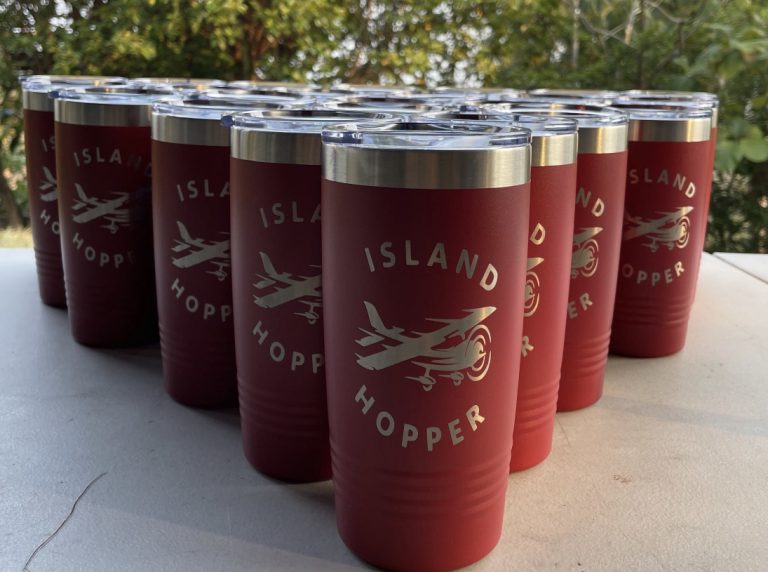
    Many thermal tumbler brands offer customization options, allowing you to personalize your tumbler with unique designs or your name. This personal connection to your tumbler can encourage long-term use and reduce the likelihood of it being discarded. It becomes not just a beverage container but also a part of your daily routine.
  6. Encouraging Sustainable Habits:
    When you choose to use a thermal tumbler, you set an example for others. Friends, family, and coworkers may be inspired by your eco-friendly choice and opt to switch to reusable containers as well. This ripple effect can lead to a collective reduction in disposable cup usage and its associated environmental impact.

In conclusion, thermal tumblers are a fantastic choice for those looking to make a positive environmental impact in their daily lives. By reducing single-use plastic waste, conserving energy, and promoting sustainability, thermal tumblers not only keep your drinks at the perfect temperature but also contribute to a healthier planet. So, the next time you reach for a cup of coffee or a refreshing beverage, consider doing so with a thermal tumbler in hand, and you’ll be making a small change that can make a big difference for our environment.

Elevate Your Home Decor with Laser-Cut and Hand-Painted Artistry

When it comes to decorating your home, there’s an art to making a space uniquely yours. One remarkable way to achieve this is by combining the precision of laser-cut designs with the personal touch of hand-painting. The result? Home decor that’s both sophisticated and deeply personal.

Laser-Cut Elegance:
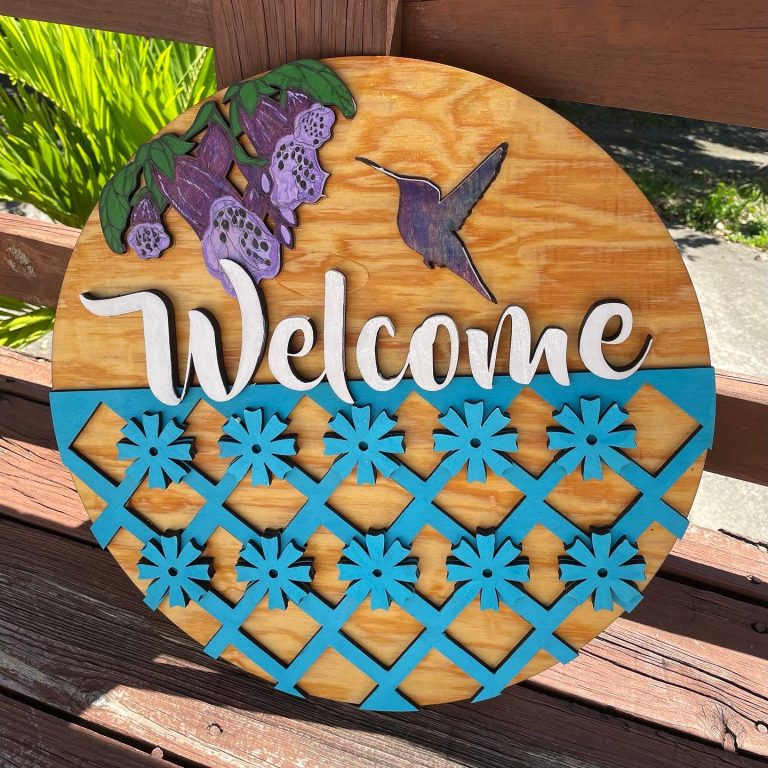
Laser cutting technology has revolutionized the world of home decor. It allows for intricate and precise designs to be etched or cut into a variety of materials, including wood, acrylic, and metal. These precision-cut pieces can be used in numerous ways, from wall art to furniture accents.

Imagine a wall adorned with a laser-cut wooden panel featuring delicate floral patterns or geometric shapes. These designs not only add a touch of elegance but also create captivating plays of light and shadow, transforming your space into a work of art.

Hand-Painted Charm:
While laser-cut decor provides the structure, hand-painting infuses it with character. Skilled artists can breathe life into these pieces by adding colors, textures, and details that resonate with your style and personality.

For instance, a laser-cut wooden frame can become a canvas for a talented artist to paint a unique landscape or abstract masterpiece. The hand-painted elements introduce warmth and individuality to the decor, making it a conversation starter and a reflection of your taste.

Customization Beyond Compare:
One of the greatest advantages of combining laser cutting and hand-painting is the level of customization it offers. Your decor can be tailored to match your color scheme, theme, or even tell a personal story. Whether it’s a laser-cut wooden family name sign adorned with hand-painted flowers or a personalized wedding gift, the possibilities are boundless.

Sustainability Meets Artistry:
Beyond aesthetics, this fusion of techniques aligns with sustainability. Many artisans opt for eco-friendly materials, such as reclaimed wood, in their laser-cut creations. Moreover, the artistic process encourages upcycling and reduces waste.

In Conclusion:
Laser-cut and hand-painted home decor represents the perfect blend of precision and personalization. It allows you to infuse your living spaces with artistry, character, and a touch of sustainability. So, when you’re looking to elevate your home decor game, consider these unique pieces that marry technology and craftsmanship to create something truly special.

Paint and Take: The Ultimate Painting Experience!

Are you looking for a fun and unique way to spend time with friends, family, or coworkers? Look no further than Paint and Take! Paint and Take is a popular painting experience that combines creativity, socializing, and fun activities all in one.

Paint Parties

Paint and Take is perfect for paint parties, whether you’re celebrating a birthday, bachelorette party, or just a fun afternoon or night out with friends. With Paint and Take, you can choose from a variety of wooden laser cut objects to paint on. Plus, there are multiple color choices for acrylic paints, so you can create a masterpiece that’s uniquely yours.

All Ages

Paint and Take is also a great activity for all ages. Whether you’re a kid or an adult, you can enjoy painting and creating artwork that can be used as decor for your home or as a personalized gift for someone special.

Fun Activities

Paint and Take offers more than just painting. You can also participate in fun activities like socializing, meeting new people, learning new skills and more. This makes Paint and Take a great option for team building activities or just a fun night out with friends.

Artwork for Home

One of the best things about Paint and Take is that you get to take home your artwork. This means you can create a beautiful piece of decor for your home that’s unique and personalized to your taste.

Seasonal

Paint and Take also offers seasonal options, so you can create artwork that’s perfect for the holidays or any special occasion. Whether you’re painting a pumpkin for Halloween or a wreath for Christmas, Paint and Take has you covered.

Personalization

Finally, Paint and Take is all about personalization. You can create artwork that’s tailored to your taste and style, making it a great way to express yourself and have fun at the same time.

In conclusion, Paint and Take is the ultimate painting experience. With its combination of paint parties, laser cut materials, multiple choices, acrylic paints, fun activities, all ages, gifts, artwork for home, decor, seasonal, and personalized options, there’s something for everyone to enjoy. So why not try Paint and Take for your next night out? You won’t be disappointed!